
Every day, Danielle helps children with complex medical and developmental needs find stability in uncertain circumstances. But one case in particular followed her home.

What began as part of her work at the Children’s Home of Pittsburgh soon became deeply personal—reshaping her understanding of family, permanency and what it means to truly show up for a child.
As a Child Development Specialist at the Children’s Home of Pittsburgh, Danielle has built her career around supporting children with complex needs. The nonprofit organization strengthens families through adoption and permanency services, pediatric care, therapy and free on-site housing for patients and their families. In her role, Danielle evaluates each child’s development and creates individualized treatment and educational plans.
For years, Danielle and her husband, Dan, had discussed fostering. However, given the emotionally demanding nature of Danielle’s work, they hesitated to bring that weight into their home life.
That uncertainty changed when Danielle developed a close connection with a young child and his family through her work. The boy had significant medical needs and had traveled from abroad with his family to receive life-saving treatment in the United States. After time in a hospital setting, he was transferred to the Children’s Home, where Danielle got to know both him and his family over the course of a year.
During that time, trust grew, and Danielle became a consistent, reliable presence, not just for the child but for the family as well.
Eventually, it was determined that although the child no longer needed to remain hospitalized, returning home was not a safe or sustainable option. His medical, emotional and developmental needs required a level of care that the biological family, despite their deep love and commitment, could not consistently provide due to significant barriers. At the same time, adoption was not the right choice because it was important for him to stay connected to his family.
Danielle’s role naturally evolved into something more. Because she was already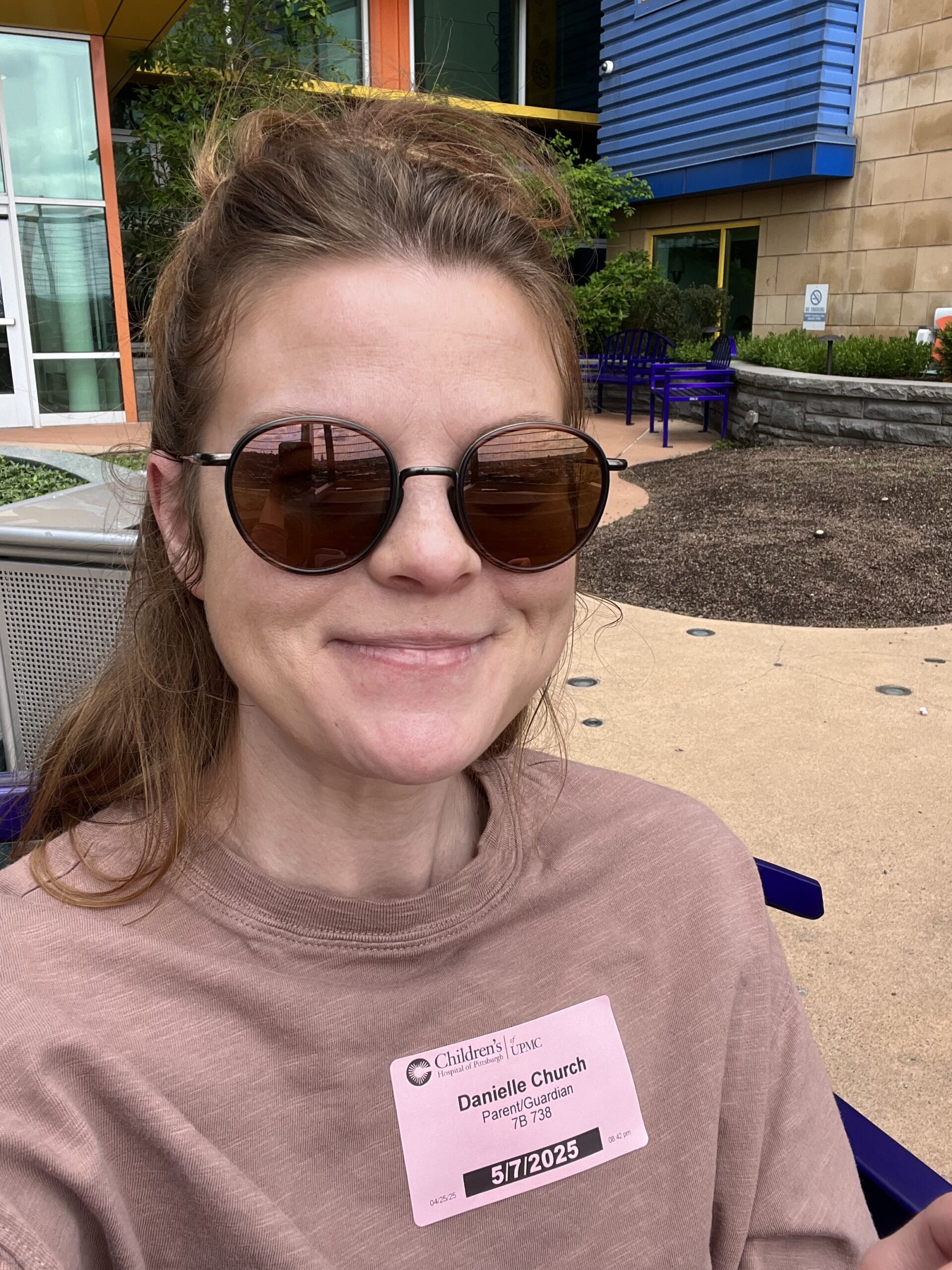 known and trusted, her presence offered a sense of familiarity during a difficult transition.
This is at the heart of kinship care. While kinship caregivers are often relatives, they can also be trusted adults like family friends, teachers or, in this case, a professional who had become part of the child’s support system. Kinship care helps preserve a child’s sense of identity, culture and connection, even during significant change.
In situations like this, kinship care can work hand in hand with Subsidized Permanent Legal Custodianship (SPLC), a permanency option that provides stability without severing parental rights. Together, these approaches allowed Danielle and her family to step into a caregiving role while maintaining the child’s important relationships.
SPLC can be the right option for many youth in kinship and foster care. When a kinship caregiver thinks about the best outcome for a youth, many times it centers on maintaining family connections. Specifically in kinship care, SPLC allows the family unit to remain intact, but in a different arrangement. It can also be a strong option for older foster youth who want a connection with their family but know that living with them permanently is not possible. Many older foster youth experience guilt, fear and ambivalence when it comes time for their parents’ rights to be terminated. SPLC avoids many of these conflicted feelings and can lead to lifelong support systems and lasting connections with multiple loving and caring adults.
SPLC allows a child to achieve stability with a caregiver without terminating parental rights. Under this arrangement, caregivers take on full legal responsibility for the child’s daily care and decision-making, while biological parents typically maintain visitation rights and the responsibility to contribute financially. It also provides practical support, including a monthly subsidy and Medicaid coverage to help meet the child’s needs.
The path to SPLC requires time and commitment. Children must be in agency custody for at least six months and placed with the prospective caregiver for six consecutive months before becoming eligible. Even with these precautions and its ability to balance permanency with family connection, SPLC remains underused, accounting for only a small percentage of foster care outcomes.
For Danielle and Dan, however, it felt like the right fit.
They stepped forward and committed to the process. Both completed extensive training to manage the child’s complex medical needs, learning everything necessary to safely provide care at home. Once approved, he moved in with them. Their lives, along with the lives of their extended family, shifted to ensure consistent support.
 “We recognize the absolute importance of having his biological family in his life,” Danielle says. “He has two moms and two dads. That’s what he has always known, and it’s pretty awesome.”
Becoming an SPLC caregiver brought a sense of peace that Danielle hadn’t expected. At first, she struggled with the lack of permanence of the situation. But over time, she and Dan came to see that this arrangement offered something equally valuable: stability without severing family ties. Today, both families work together to support the child, prioritizing his well-being above all else.
The journey wasn’t without challenges. When Danielle first began exploring SPLC, she found limited information and, at times, discouraging perspectives, especially in online foster care communities. After initially working with another agency, she and Dan transferred to Pressley Ridge, where they found more comprehensive training and a stronger support system. Staff members guided them through each step, answered difficult questions and even stood beside them in court.
Caring for a child with significant medical needs can be intimidating, particularly when combined with the complexities many children in foster care carry. Still, the experience has left a lasting impact on Danielle and Dan. While they are unsure whether they will foster again, they know they want to remain involved in the foster care community and continue supporting children and families in need.
They feel grateful for the opportunity to provide care and to witness the child’s resilience firsthand. While navigating relationships between caregivers and biological families can sometimes be complicated, they remain grounded in a shared goal: providing love, stability and support.
Danielle hopes that greater awareness will encourage more families and the court system to consider SPLC as a viable path to permanency. By offering both stability and continued connection, it provides a meaningful solution for children whose needs don’t fit neatly into traditional outcomes.
“There is such a need for people willing to step into this role,” she says. “And there is more support available than many people realize for those who are ready to take that chance.”