
 Building Knowledge and Skills to Support Kinship Families

The B~Hope Embracing Kinship Caregivers Curriculum is designed for child welfare professionals and anyone working with children and families involved in kinship care. This comprehensive training equips participants with the knowledge, skills, and practical strategies needed to effectively support kinship caregivers and the children in their care.
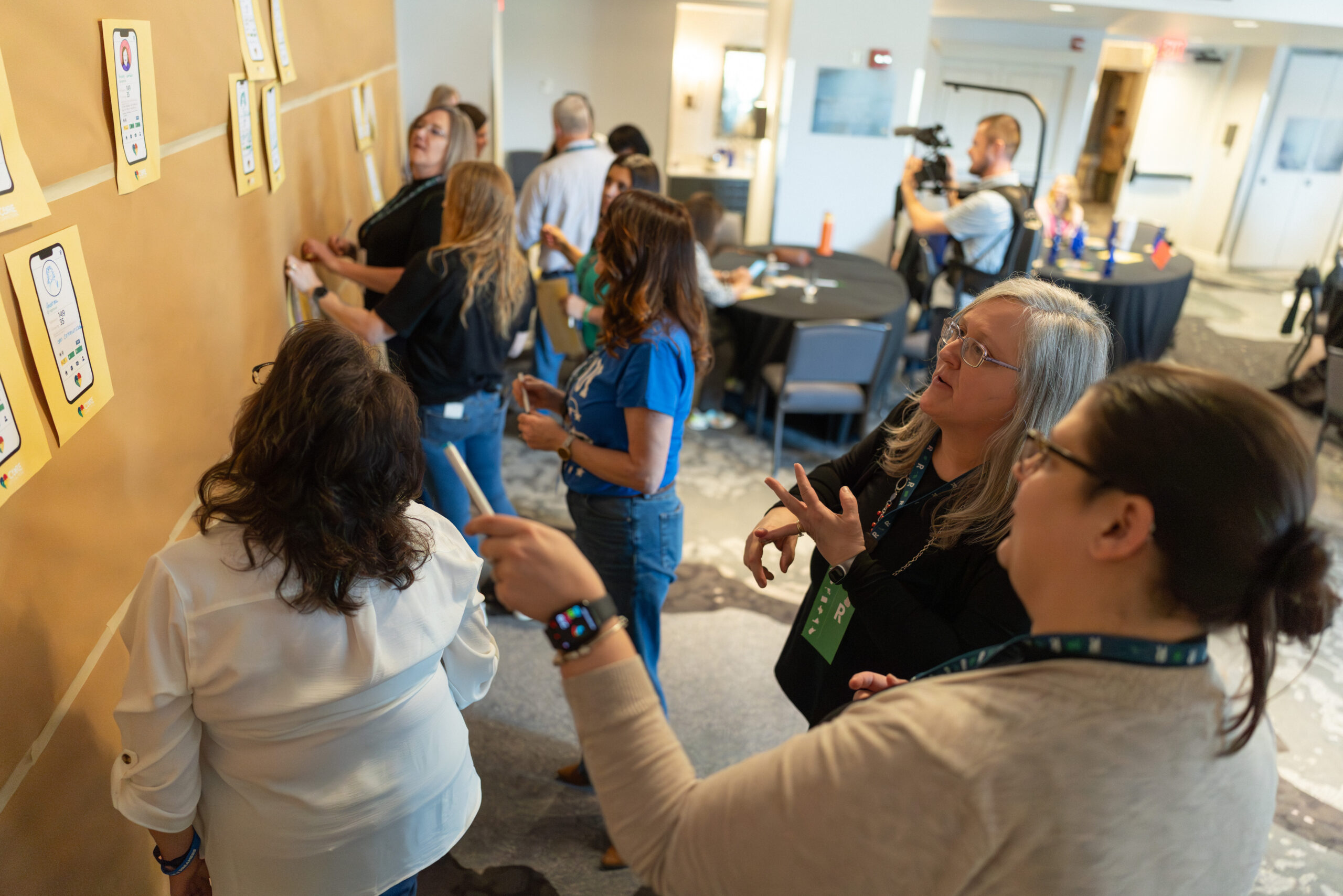
The training combines self-paced online learning modules with facilitated activities and discussions that reinforce key concepts and promote real-world application. Participants gain a deeper understanding of the unique dynamics, challenges, and strengths of kinship families while learning how to navigate systems and provide effective support.
Training Structure
Participants complete a series of online modules followed by guided facilitation sessions designed to solidify learning and encourage practical implementation.
Training Modules
Unit 1: History, Vision, and Trust
- Explore the history and evolution of kinship care.
- Understand the vision and values that support kinship families.
- Learn the importance of trust-building with caregivers and children.
Unit 2: Roles and Responsibilities
- Examine the various roles of kinship caregivers and professionals.
- Clarify responsibilities and expectations within kinship care arrangements.
Unit 3: Role Shifts in Family Dynamics
- Understand how family relationships change when children enter kinship care.
- Identify strategies to support healthy family functioning and communication.
Unit 4: Immediate Considerations
- Review critical needs and considerations during the initial stages of kinship placement.
- Learn approaches to support stability and well-being for children and caregivers.
Unit 5: System Navigation
- Gain knowledge of child welfare, educational, healthcare, and community systems.
- Develop skills to help caregivers access resources and supports.
Unit 6: Clinical Considerations
- Explore the impact of trauma, loss, attachment, and behavioral health concerns.
- Learn practical approaches to supporting children and families through a trauma-informed lens.
Who Should Attend?
- Child welfare professionals
- Case managers and supervisors
- Foster care and kinship care specialists
- Behavioral health professionals
- Educators and school personnel
-
Community service providers
-
Law Enforcement
-
Family Court Judges
- Anyone supporting children and families involved in kinship care
Learning Outcomes
Upon completion, participants will:
- Understand the unique needs and strengths of kinship families.
- Recognize the impact of family dynamics, trauma, and system involvement.
- Apply practical strategies to support kinship caregivers and children.
- Navigate community and child-serving systems more effectively.
- Promote stability, permanency, and well-being for children in kinship care.