

The town of Roseto, Pennsylvania, sits in the eastern part of the state, just north of Allentown. In the 1950s, Roseto became the focus of a landmark study that revealed something remarkable: its residents experienced strikingly low rates of heart disease and fatal heart attacks.
What made the finding so surprising was that Roseto residents were not especially healthy by conventional standards. Researchers noted that they “ate a great deal” and “drank considerable amounts of alcohol.” They shared the same doctors, hospitals, water supply, and public services as neighboring communities, yet those towns experienced significantly higher rates of death from heart disease.
So what was different?
In a word: community.
Founded in 1882 by Italian immigrants, Roseto had retained many of its traditional cultural customs. Multiple generations often lived under one roof. Neighbors gathered frequently. Social class distinctions were less pronounced. Most importantly, people looked out for one another.
Researchers concluded that Roseto’s strong social fabric created a protective environment that reduced stress, fostered emotional well-being, and contributed to better overall health. The people of Roseto didn’t simply live near one another—they belonged to one another.
 Many addiction and recovery programs emphasize a similar truth: people often heal through relationships. Whether through support groups, faith communities, sports teams, or volunteer organizations, individuals frequently report that recovery accelerated when they became part of something larger than themselves.
A common refrain is: “I didn’t just stop doing something harmful. I started belonging somewhere.”
Tapping into this mindset begins with awareness, but it also requires effort. Just as healthy eating and regular exercise demand consistent action, so does building meaningful relationships.
This philosophy is increasingly shaping the world of philanthropy and corporate giving through the growth of unrestricted gifts.
Unlike traditional grants that specify how funds must be spent, unrestricted gifts allow nonprofit organizations to direct resources where they are needed most. Philanthropist MacKenzie Scott brought national attention to this approach. Since 2019, she has awarded more than 2,500 unrestricted grants totaling over $19 billion to organizations across the United States, including an unsolicited $10 million gift to Pressley Ridge in 2022.
Scott’s model is simple but powerful: conduct rigorous research, identify organizations addressing critical and of¬ten under-supported needs, and then trust their leadership to make strategic decisions about how best to deploy resources within their community.
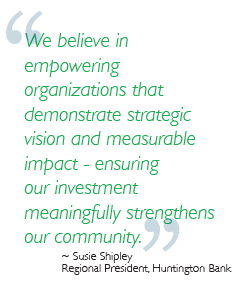 Closer to home, Pressley Ridge is fortunate to partner with organizations that embrace this same philosophy, including Huntington National Bank, RedHelm, UPMC Health Plan, Staley Capital Advisors, J.P. Morgan Private Bank, Highmark, and Henderson Brothers. At their core, these organizations recognize the same lesson demonstrated decades ago in Roseto: communities thrive when people choose to support one another.
This brings us back to a question posed by author and community-building expert Peter Block:
“When you leave this room, what do you hope to feel about yourself, about one another, and about your collective place in the community?”
It is a powerful reminder that community is not something we possess; it is something we practice.
Like the residents of Roseto, we all have a role to play in creating the kind of community where people can flourish. And like any living thing, that community must be continually nourished if we want all of us—not just some of us—to thrive.
It calls for a perspective shift — going from, “What’s in it for me?” to “What can I contribute?”
Pressley Ridge is a national organization providing programs and services for children and families across the country. Learn more about our organization now.